Why E-Commerce First Brands Are Growing Faster Than Traditional FMCG Companies
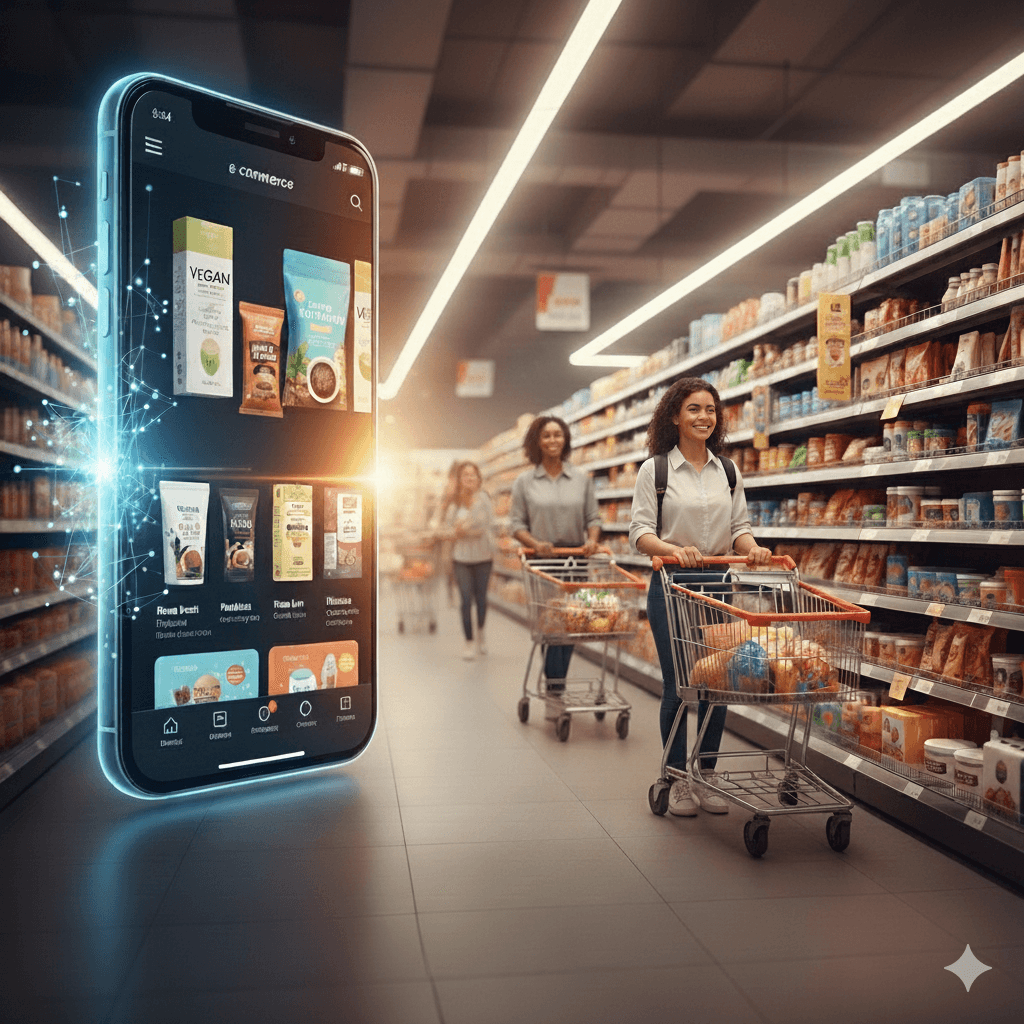
Over the past decade, India has witnessed the rise of E-commerce first FMCG brands that choose to launch online before entering traditional retail. These brands operate with speed, flexibility, data insights, and direct consumer access that older FMCG giants never had.
From beauty to beverages to home essentials, these digital-first challengers are not just surviving - they are dominating.
Here’s the deep dive into why.
1. Low Entry Barriers: No Costly Distribution Required
Traditionally, building an FMCG brand required:
Super stockists
Distributors
Retailers
Merchandisers
Large sales teams
High working capital
An e-commerce first brand bypasses all of this.
A new startup can launch with:
One small warehouse
A Shopify website
Listings on Amazon, Flipkart, Nykaa, etc.
This drastically reduces entry cost and time.
Example: mamaearth
Mamaearth launched only online, using Amazon and Instagram to scale. They avoided distribution expenses and reinvested every rupee into marketing and product expansion. Only after building massive online demand did they enter retail.
2. Direct Access to Customer Data (Zero Middlemen Loss)
Offline brands have zero visibility of:
Who the customer is
Why they bought
Why didn’t they repurchase
What feedback do they have
E-commerce first brands get:
Ratings
Reviews
Repeat purchase data
Complaints
Customer behaviour insights
Purchase frequency
Cross-selling opportunities
This data is gold. It helps brands refine formulas, packaging, pricing, and new variants.
Example: WOWSkinScienceTR
WOW built its success by tracking customer reviews on Amazon. Products with poor ratings were killed early. Products with 10,000+ 5-star reviews became category leaders.
3. Faster Innovation & Product Testing (Agile Approach)
In offline retail, launching a product takes months.
Online?
Upload 3–5 variants
Run ads
Track conversions
Kill non-performing SKUs instantly
Scale winners in weeks
This test → learn → scale cycle is the biggest advantage of digital-first brands.
Example: The Whole Truth Foods
They constantly test new flavours online and scale only the best performers. Their agility helped them create a loyal niche customer base.
4. Lower Marketing Costs With Precise Targeting
Traditional FMCG marketing = TV + newspapers + hoardings + large budgets.
E-commerce-first brands use:
Instagram
YouTube
Influencers
Google search
Retargeting
Email + WhatsApp automation
They reach the exact consumer instead of wasting money on broad advertising.
Example: mCaffeine
They built a ₹1000+ crore brand on the back of performance marketing + influencer videos without massive TV campaigns.
5. Pan-India Reach on Day One
With retail, brands expand city by city. With e-commerce, they expand nationwide instantly.
Even a small brand can reach:
Tier 1
Tier 2
Tier 3
Rural pin codes via Amazon
Example: MYFITNESS ❤ Peanut Butter
It became a national bestseller on Amazon long before it entered supermarkets.
6. The Rise of “Search Consumers”
Modern consumers Google everything before buying:
Best face wash
Best coffee
Best peanut butter
Best baby shampoo
If your brand has strong reviews and SEO, you become the top choice.
Example: WOWSkinScienceTR Apple Cider Vinegar
Millions searched “best ACV in India”. WOW dominated the search + Amazon ranking. That single product built the brand.
7. Trust Built Through Ratings & Reviews
In retail stores, customers rely on:
Packaging
Advertisement
Advertisement SpaceRetailer recommendation
Brand familiarity
Online, they rely on:
Star ratings
Customer photos
Honest reviews
Comparison videos
A product with thousands of good reviews becomes the “default” choice.
Example: Plum Goodness
Plum built trust through authentic reviews by skincare communities before going offline.
8. Quick Commerce Explosion (Blinkit, Zepto Tech, Instamart)
Quick commerce is a major accelerator for digital-first FMCG brands:
15–30 minute delivery
Instant trial
High re-order rate
Visibility to millions of users
Strong push for new-age brands
Quick commerce shelves favour:
Innovative brands
High-velocity SKUs
Consumer-demand-driven products
Example: Open Secret
Their cookies and snacks scaled rapidly after quick-commerce adoption. Instant delivery → high impulse buying → repeat customers.
9. Niche Categories Grow Better Online
Traditional FMCG focuses on:
Mass categories
Bestseller SKUs
Wide distribution
E-commerce first brands win in:
Vegan snacks
Specialty beauty
Plant-based foods
Ayurveda cosmetics
Pet food
Premium coffee
Natural cleaners
These niches have:
High margins
Loyal communities
Lower competition
Fast online scalability
Example: Wholsum Foods (Slurrp Farm and Mille)
A niche kids’ nutrition brand that built a loyal audience through Instagram moms and D2C content.
10. Strong Unit Economics With Repeat Purchases
In retail:
The brand does not know who the buyer is.
Repeat purchases cannot be tracked.
Online:
Subscription models
Auto-delivery
WhatsApp reminders
Loyalty programs
Email retention
Cross-selling
This increases Customer Lifetime Value (CLTV) and reduces the long-term cost of acquisition.
Example: Country Delight
Their app-based subscription model created daily repeat usage → massive retention → strong economics (no distributors required).
Conclusion: The Future Belongs to Digital-First FMCG
E-commerce-first FMCG brands are not just growing - they are reshaping the industry.
They are:
Faster
Smarter
Data-driven
Consumer-obsessed
Cost-efficient
Highly scalable
Traditional FMCG players are now copying these strategies:
More D2C stores
More quick commerce tie-ups
More digital-led sampling
More influencer-driven launches
The future of FMCG is Direct to Consumer + Omni-channel, and e-commerce-first brands will continue leading the growth curve.
#FMCGInsights #EcommerceGrowth #D2CBrands #ConsumerTrends #FMCGMarketing #DigitalFirstBrands #QuickCommerce #BrandStrategy #RetailTrends #FMCGIndustry